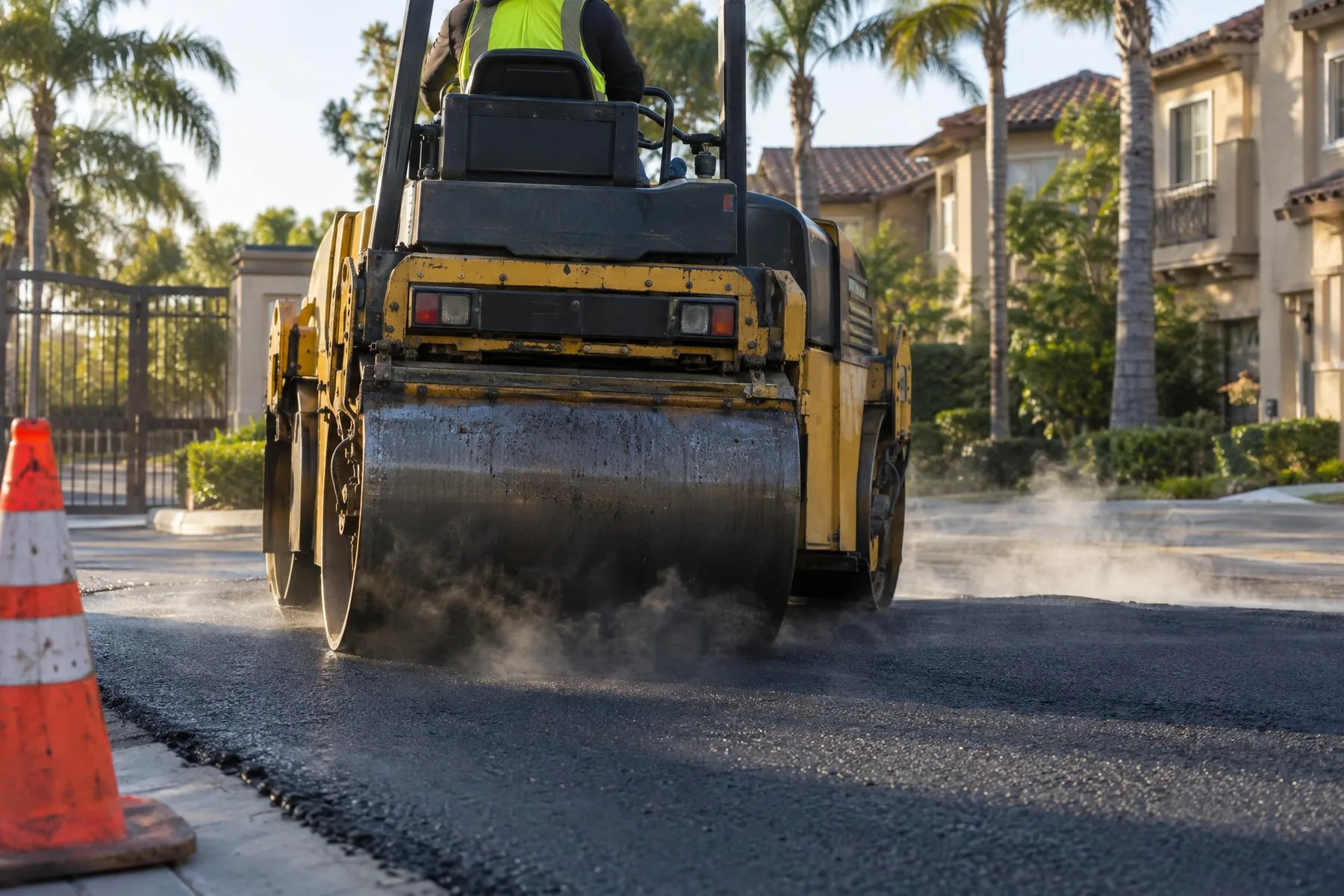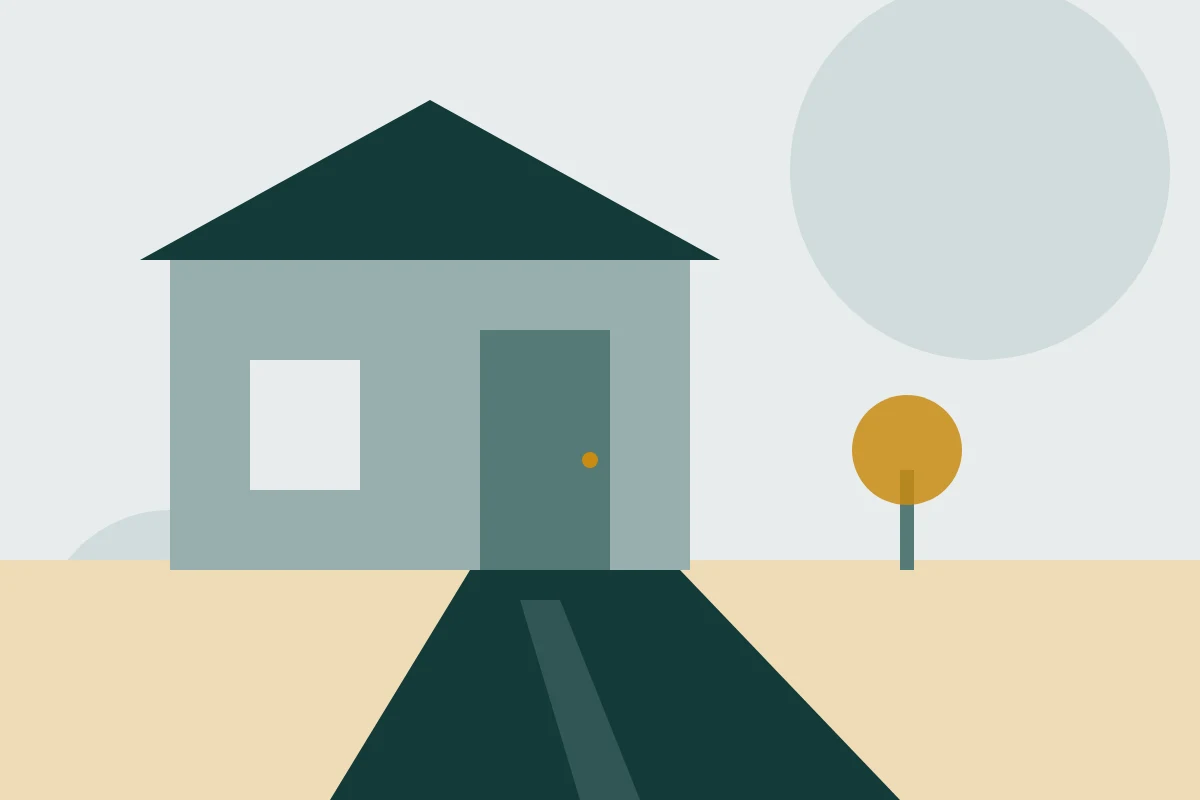
A driveway that has cracked, sunk or stained drags down the look of the entire house. New driveways and replacements are built from hot mix asphalt over compacted stone, which lets rain run off rather than soak in. Old pavement comes out, the slope is reset to carry water toward the street and the edges are hand-finished. The base work and compacted thickness each get a line on your estimate, so you see what goes under the surface as well as what shows. Buyers and neighbors notice a fresh driveway before anything else on the property.
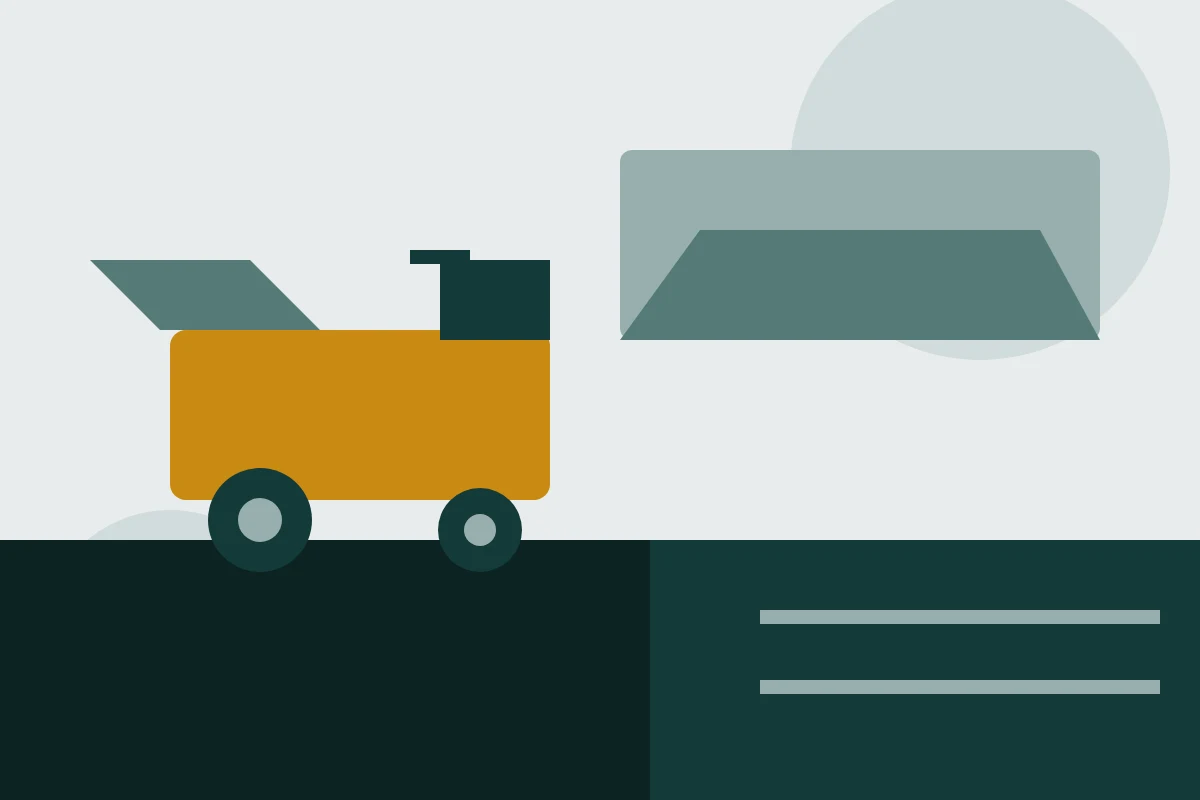
Potholes and puddles in a lot cost a property customers and open the door to injury claims. HOA boards, plaza owners and office managers hire us to pave and repave lots of every size, from a few dozen stalls to a full complex. Work moves zone by zone, so tenants can get in and out and deliveries still arrive, and puddle problems are corrected before new asphalt is laid. Stalls and accessible spaces are painted last, so the lot reopens ready to use. The phase plan arrives in writing, showing which areas close on which days.
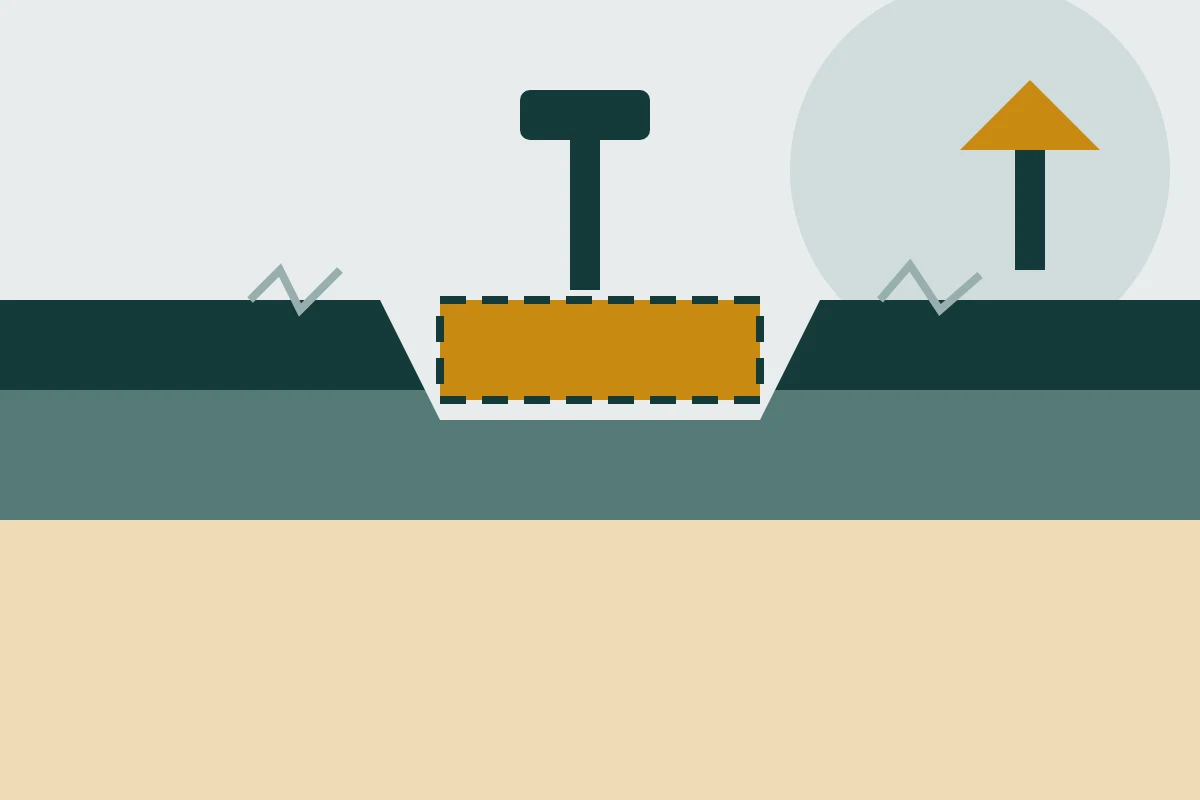
A hairline crack that survives one summer of storms is a pothole by autumn. Repairs here mean removing the weak asphalt, restoring the stone underneath and rolling a patch flush with the pavement around it. Early fixes cost a small share of what repaving does later, and the estimate names each damaged spot and its price. Crumbling edges, trench cuts and low areas that hold water get the same attention. Cracks too narrow to patch are routed open and packed with hot sealer so water stays out.

Asphalt Resurfacing
Pavement can look finished while the ground below it is still sound, and in that case a new top layer is the economical answer. The crew places a fresh course about 1.5 to 2 inches deep over a cleaned and patched surface, which brings back a smooth, dark finish. The base is probed first, since an overlay cannot outlast the ground beneath it. Cracks get routed and sealed, and edges are shaped to shed water. Before work begins you are told how much the new layer raises the surface where it meets the garage and the curb.
Asphalt Sealcoating
Sun, storms and oil drips turn asphalt gray and brittle years before it actually fails. A protective sealcoat slows that wear and restores the dark color, at a cost far below new pavement, and it works best while the surface is still in good shape. The pavement is scrubbed, cracks are filled and the sealer is rolled on, with oil stains primed beforehand because sealer only holds on clean asphalt. Big lots are sealed in sections, which keeps part of the parking open, and the estimate states the number of coats.
Parking Lot Striping
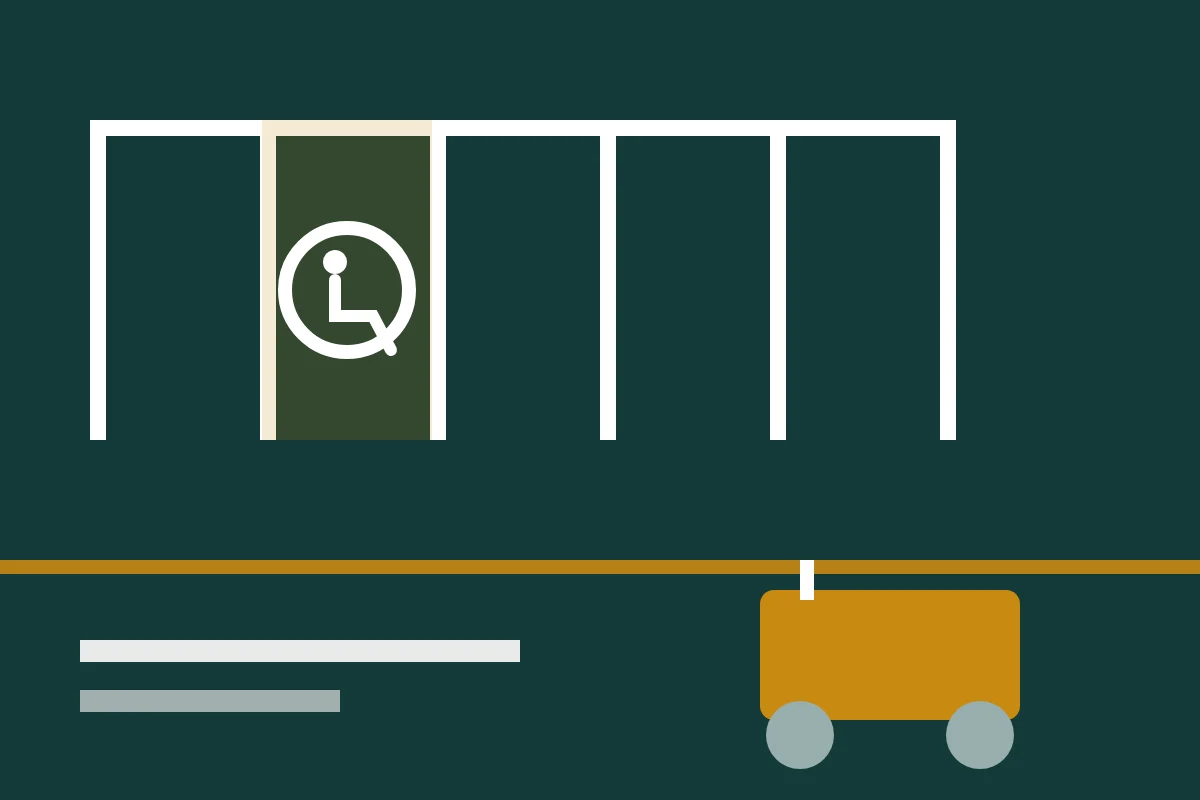
Faded paint leaves drivers guessing and makes a lot look neglected. Crews paint stall lines, turn arrows, fire lanes and accessible bays on brand-new lots and on lots that have served for years. Every mark is chalked first, so the stall count and traffic pattern match your plan before any paint flies. New lines follow any paving or sealcoating, and large lots are restriped section by section so they never fully close. The estimate lists spaces, symbols and coats, and clear accessible markings also protect the owner.